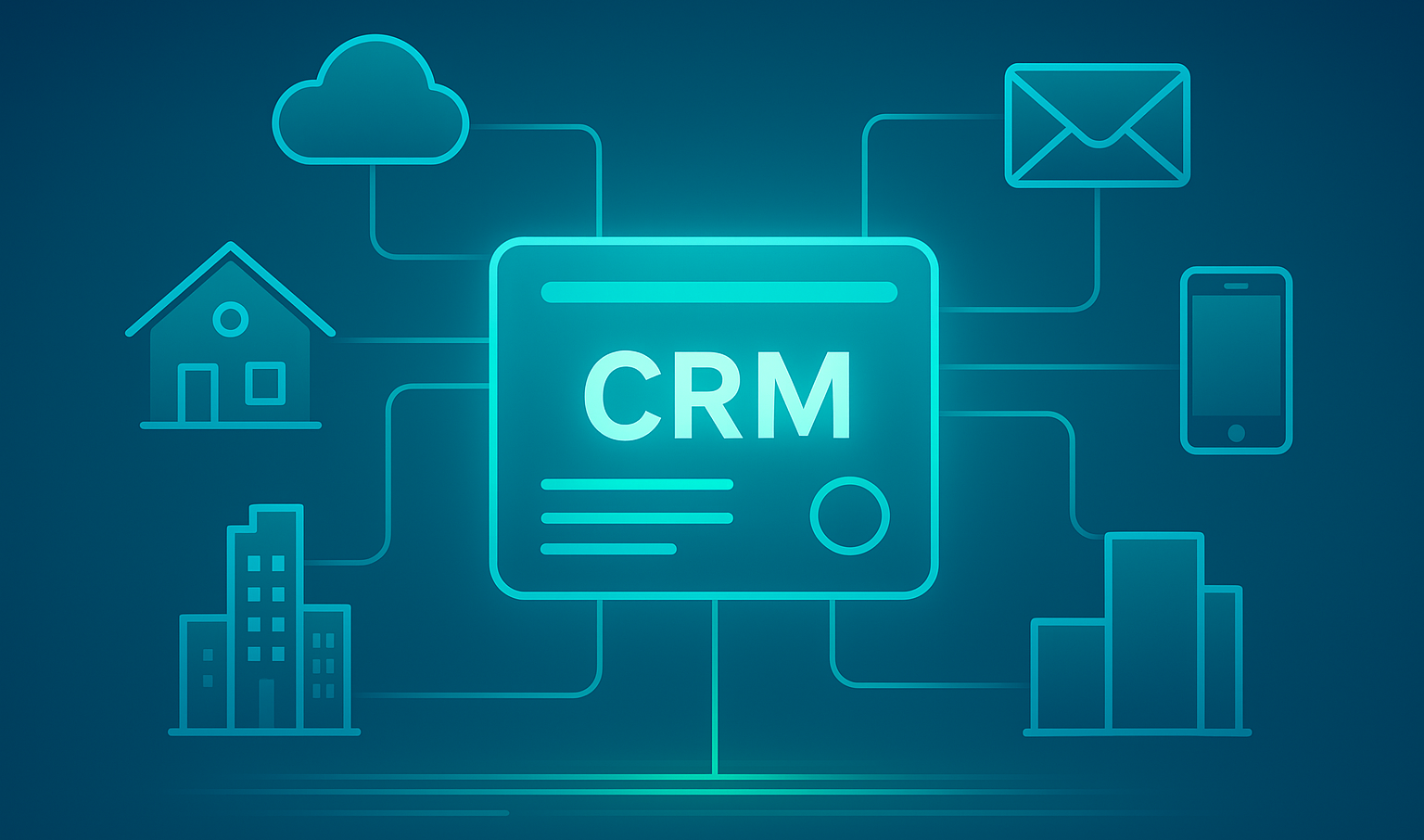
Modern real estate operations require seamless data flow between marketing systems, CRM platforms, and transaction management tools. The CRM landscape in 2024 is characterized by its flexibility, scalability, and innovative features, making integration capabilities crucial for operational efficiency.
The Integration Challenge
Real estate professionals typically manage multiple systems including lead generation platforms, MLS databases, transaction management software, email marketing tools, and document storage systems. Without proper integration, valuable lead information gets lost, follow-up opportunities are missed, and team productivity suffers.
Essential Integration Points
Successful real estate CRM integration connects lead capture forms from websites and landing pages, MLS data for property information synchronization, email marketing platforms for automated campaigns, transaction management systems for deal tracking, and document management for secure file sharing.
Automated Workflow Benefits
Integrated systems enable automatic lead distribution to appropriate agents, instant lead notifications across all platforms, synchronized contact updates across systems, automated task creation for follow-up activities, and comprehensive reporting across all touchpoints.
Data Synchronization Best Practices
Implement real-time data sync to ensure information accuracy, establish single source of truth for contact data, create standardized data entry protocols, and maintain regular data cleanup procedures to prevent duplicates and errors.
Mobile Integration Requirements
Real estate agents need mobile access to integrated systems for field updates, instant lead notifications, document access during showings, and real-time communication with prospects. Mobile integration ensures agents can respond immediately regardless of location.
Plumb5 Integration Capabilities
Plumb5's unified platform eliminates integration complexity by combining CRM, marketing automation, and analytics in one system. The platform offers native integrations with popular real estate tools, API connections for custom integrations, and real-time data synchronization across all modules.
Key integration features include MLS data import, third-party application connectivity, automated data mapping, and secure API access for custom development needs.
Measuring Integration Success
Track data accuracy rates, system response times, user adoption metrics, and operational efficiency improvements. Successful integration typically results in 50% reduction in manual data entry, 30% faster response times, and improved team collaboration.
Implementation Strategy
Start with high-priority integrations that impact lead conversion, test data flow thoroughly before full deployment, train team members on integrated workflows, and monitor system performance to identify optimization opportunities.
Conclusion
Effective real estate CRM integration transforms fragmented operations into streamlined processes that enhance customer experience and drive sales performance.